Banana or Biscuit? High Arches, Flat Feet, & Life en Pointe

“She has such good feet.”

In a ballet studio, you can say that after watching someone do exactly one tendu. She hasn’t held a balance, landed a jump, or hopped across the stage en pointe. She’s slid one foot out from fifth, and everyone at the barre knows what you mean.

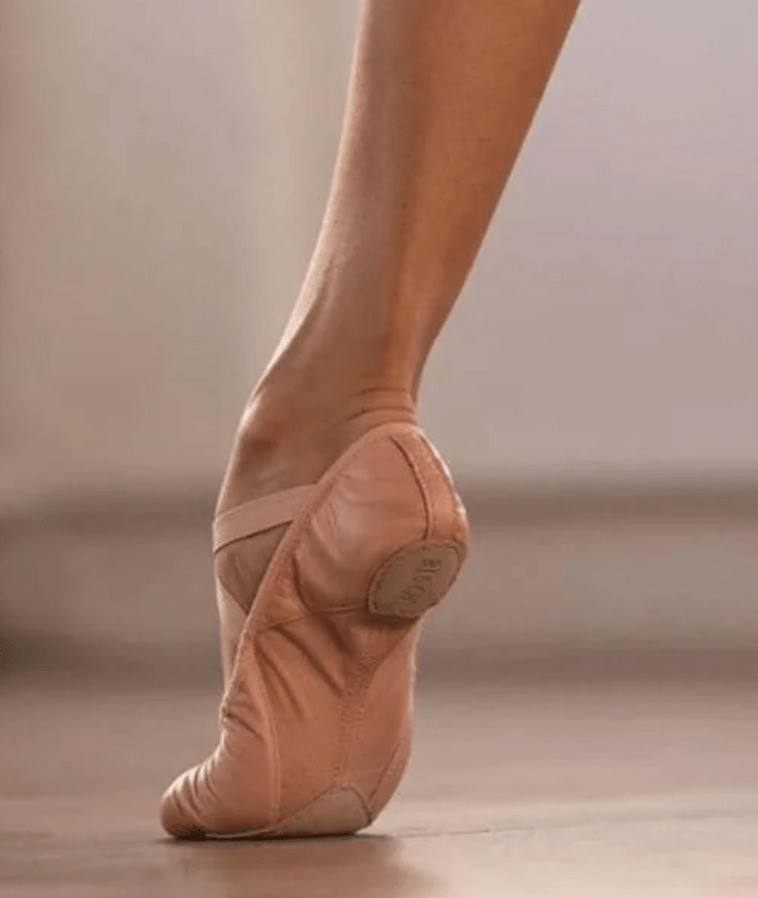
Ballet even has its own food vocabulary for this. There’s the “banana foot,” with a pronounced arch that gives the leg an elongated line all the way through the tips of the toes. Then there are “biscuits,” usually declared by a dancer looking down at her own tendu with considerably less enthusiasm. As someone who studied dance before becoming a podiatrist, I speak both languages. I also think the biscuits deserve a better publicist…
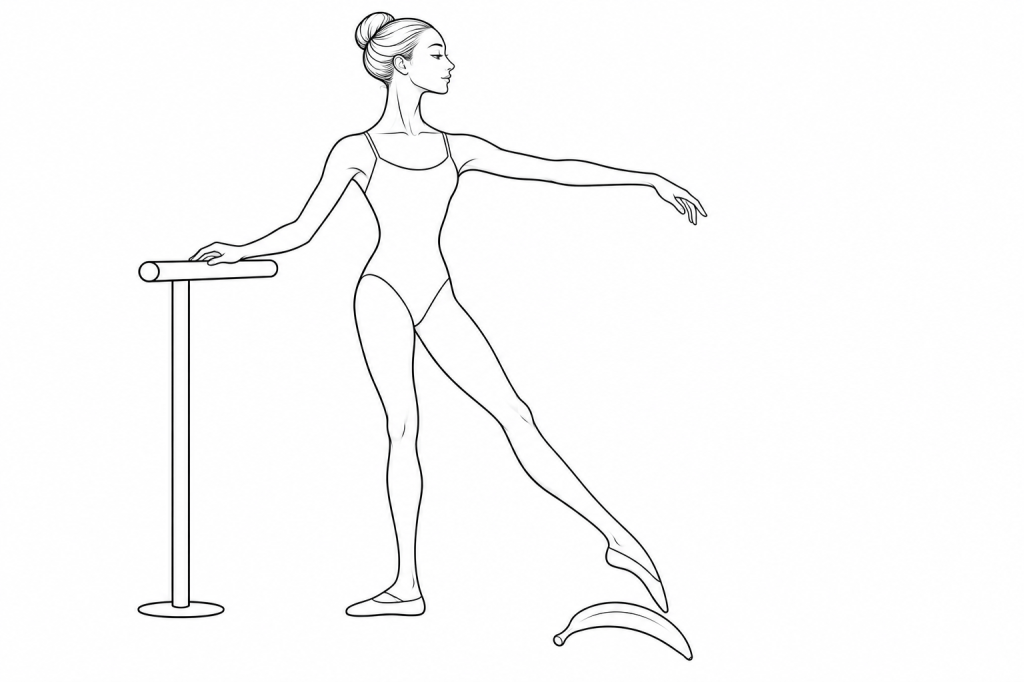
What do dancers mean by “good feet”?

At the barre, we’re usually talking about the line we see when a dancer points. In clinic, if you tell me you have high arches or flat feet, I want to see what happens to your arch when you put weight on it. The same dancer can have a low arch standing in parallel and a pronounced arch in tendu. If you’ve ever felt like your feet look entirely different in those two positions, there’s a reason.

Arch height describes a shape. Flexibility describes how much that shape can change. With a flexible flatfoot, the arch lowers in standing and reappears when weight comes off. A more rigid flatfoot changes much less between those positions. A high-arched foot, or pes cavus, can also vary in how much motion it allows. Some high-arched dancers have plenty of range when they point. Others have relatively stiff feet and find it surprisingly difficult to get over the box, given how high their arches look in slippers.

Then there’s control. It’s one thing to point your foot in tendu with most of your weight on the other leg. It’s another to rise onto pointe, stay centered over the platform, and decide exactly how slowly you’ll come down. A dancer with flexible flat feet and a dancer with high arches can both be excellent en pointe. They may have put in very different work to make the same combination look easy.
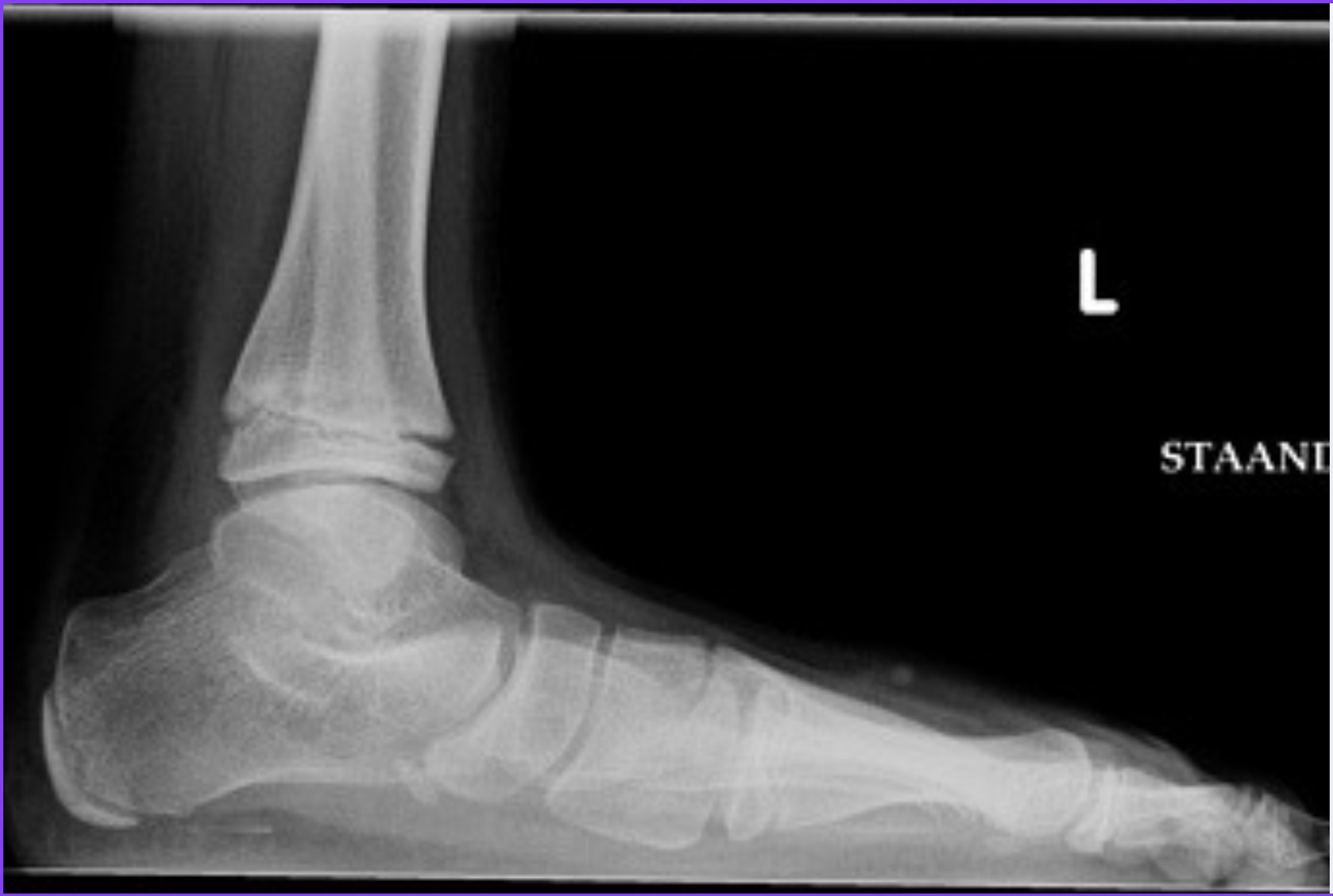
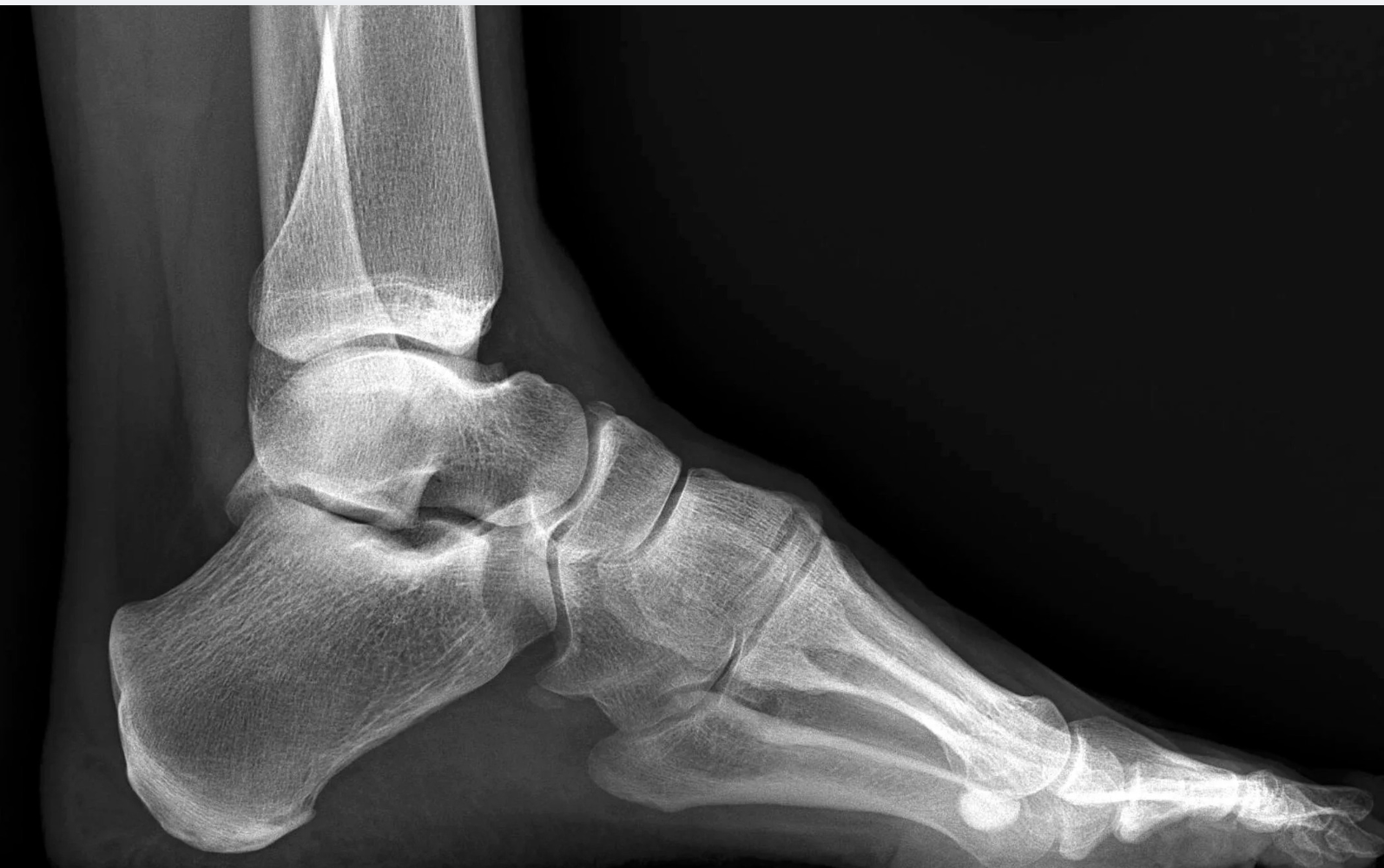
Biscuit -> Banana

The view from inside the pointe shoe

Shani Moran-Simmonds, an Artist with The Royal Ballet, had high arches and plenty of flexibility as a young dancer. In her Ballet News interview “From Student to Star,” she recalled that “it was hard for me to feel safe on pointe at a young age.” She described working on foot and ankle strength over several years. By her graduating year at The Royal Ballet School, she felt stronger and more comfortable in her pointe shoes than she ever had.

Skylar Brandt, a principal dancer with American Ballet Theatre, has spoken openly about having a less bendy point and wearing arch enhancers for performances. In the Bendy Bodies interview “The Truth About Ballet Bodies,” she described a step where she feels her relatively compact feet give her an advantage. In Brandt’s words, “hops on pointe are quite easy for me.”

For Paris Opera Ballet dancer Hohyun Kang, the judgment came early. In a 2020 interview with Yonhap News Agency, Kang recalled being encouraged in middle school to switch from ballet to Korean dance because of her feet. The article describes her low insteps and flat arches. She went on to join the Paris Opera Ballet in 2018. In 2025, the company promoted her to première danseuse.

At the barre: what should you actually work on?

As a podiatrist, I use foot shape as a clue to where a dancer might feel strain and what I want to check on exam. A stiffer, high-arched foot can concentrate pressure under the ball of the foot. A dancer with a flexible flatfoot might describe fatigue through the arch or aching along the inside of the ankle. A very mobile dancer may have all the range she needs for pointe and still need to build strength at the end of that range. One of the most useful things you can tell me is exactly where in a combination you start having trouble.
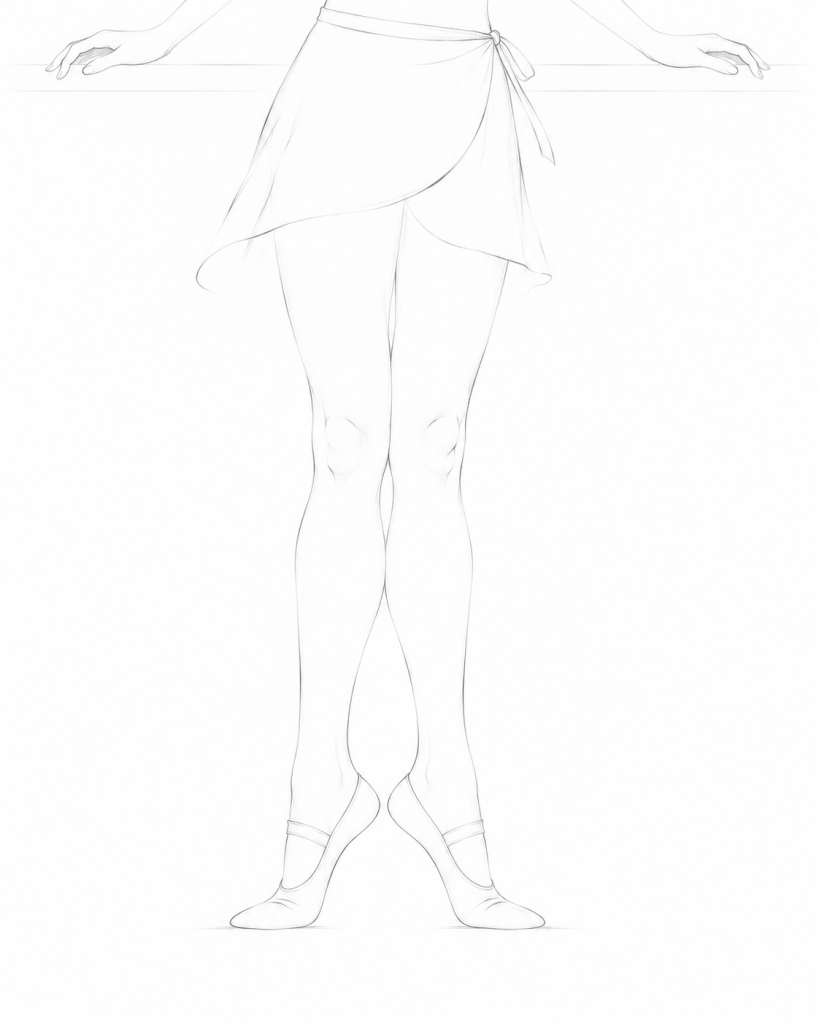
“I can get up there. I just wobble once I’m up.” In slippers, face the barre in parallel with your fingertips resting lightly on it. Take four counts to rise onto demi-pointe on both feet. At the top, shift your weight onto one foot and lift the other just clear of the floor. Hold for two counts, then take four counts to lower your standing heel. Repeat on the other side. Can you lift one foot without the standing heel dropping or your weight rolling toward your little toe? If that’s where you wobble, try it at a slightly lower height where you can stay centered.

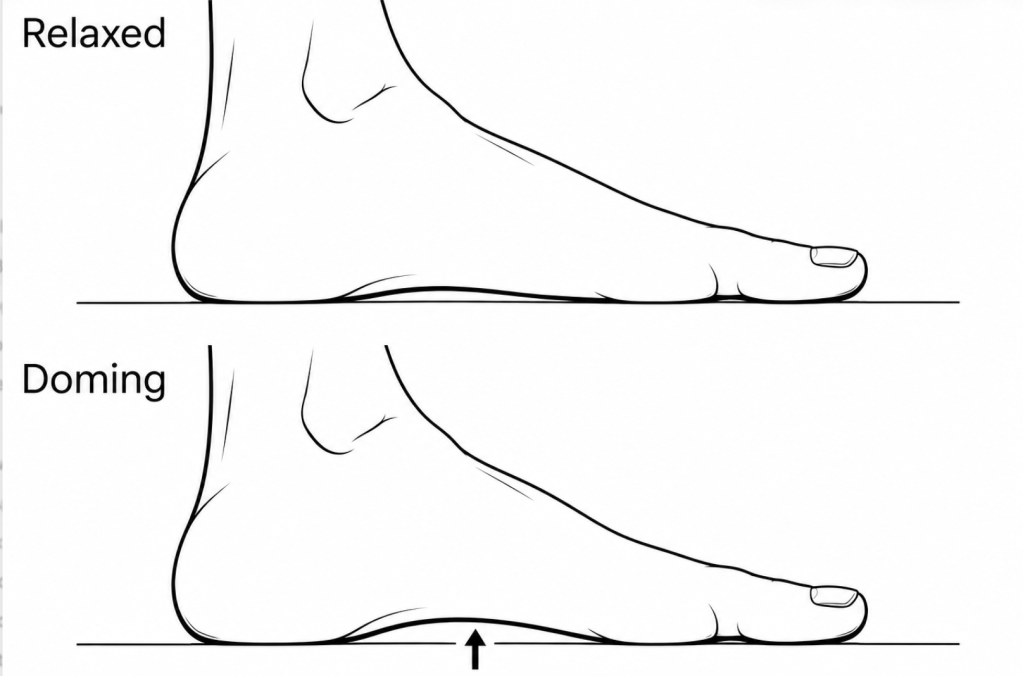
“When I try to lift my arch, my toes do all the work.” Try a gentle doming exercise seated and barefoot. Keep your heel and the bases of your big and little toes on the floor. Gently draw the ball of your foot toward your heel until you feel a slight lift through the arch. Keep your toes long. If they curl like you’re picking up a towel, use a little less effort. Once you can find that small movement seated, practice it standing in parallel. You’re learning to engage the muscles under the arch while keeping your toes relaxed.
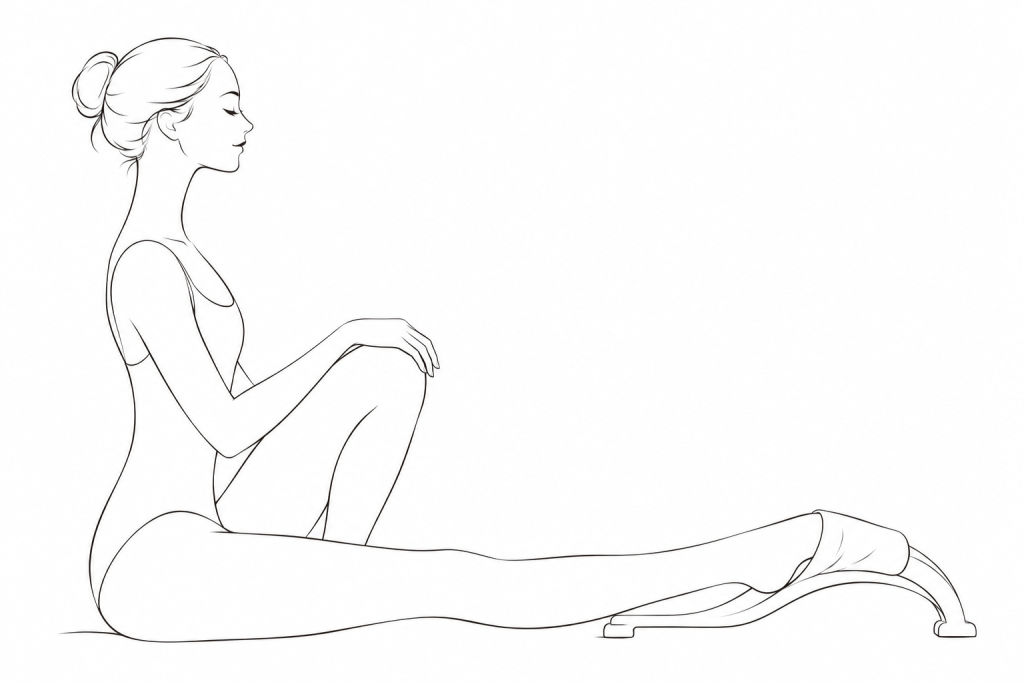
“I always feel like I’m behind the box.” I vividly remember giving myself Achilles tendinitis with a foot stretcher at thirteen. These days, if a dancer tells me she feels stuck, I’d want to watch her rise in slippers first, then see what happens as she goes up in her pointe shoes. Do you already feel limited on demi-pointe? Or is it only once you put your pointe shoes on that you struggle to get your weight centered over the platform? Have your teacher watch from the side, and show your fitter the part of the rise where you get stuck. If pointing brings on a pinch or pain, especially at the back of the ankle, that’s something I’d want to assess in clinic before you spend more time stretching it.

The walk home

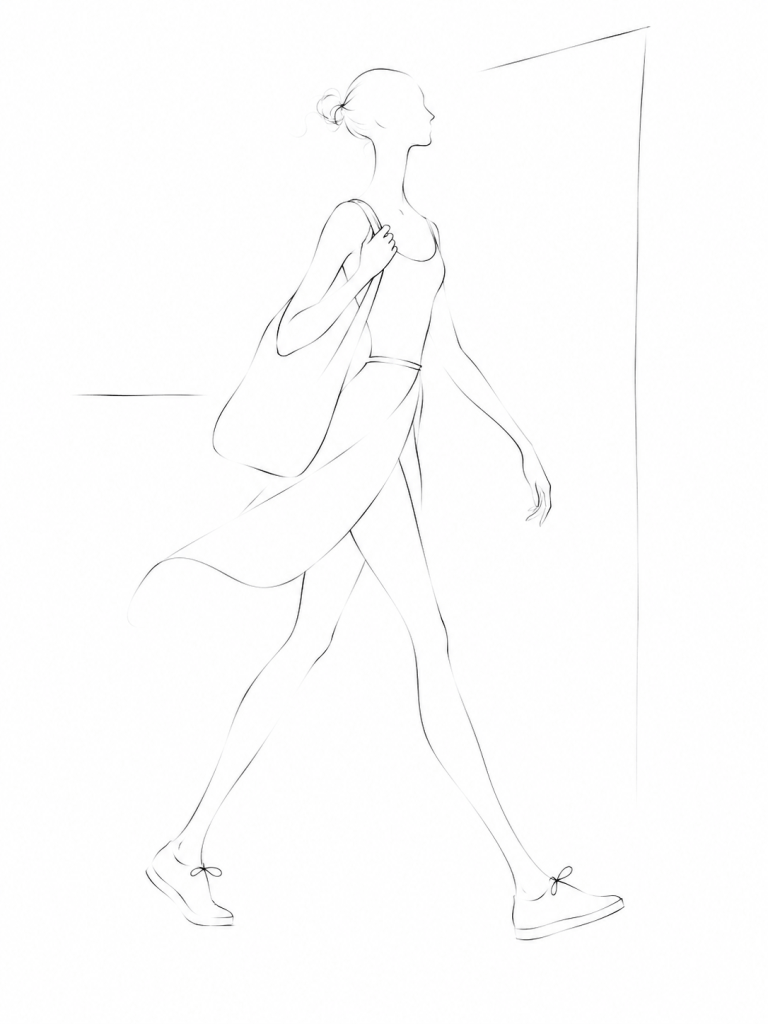
A dancer who knows the exact shank she likes in a pointe shoe may still buy her everyday sneakers based on what’s on sale. Fair enough. But if your arches ache on the walk home from class, I want to know what you’re walking home in.

When a high arch needs cushioning

With a higher, stiffer arch, more of your weight can land on the heel and the ball of the foot. You might notice the same spot under the ball of your foot getting sore or developing a callus, even in a sneaker that feels cushioned everywhere else. This is one reason I might consider a custom orthotic. It can be shaped so more of your foot shares the load and that one tender spot takes less pressure with each step. If you’ve ever bought the tallest “high arch” insert on the shelf and ended up with one more place that hurts, you can appreciate why the contour matters. In studies of adults with painful cavus feet, custom orthotics reduced pain during everyday use.
When a flexible flatfoot gets tired
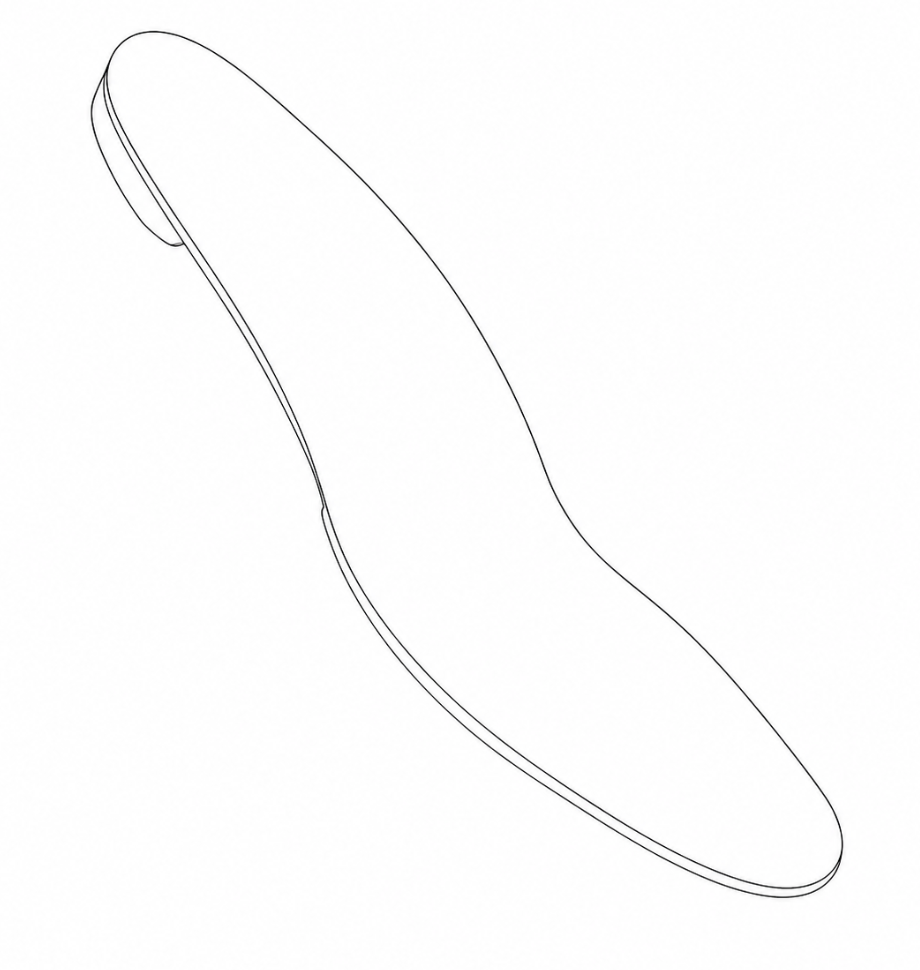
If you have low arches and your feet feel comfortable through class and the rest of your day, I’m happy to leave well enough alone. If your arches regularly fatigue a few hours into a work shift, or the inside of your ankle aches on the walk home, that’s worth a closer look. Depending on what we find, an orthotic in your everyday shoe may help support the arch as it takes weight.

An over-the-counter insert may give you enough support. Where custom can be useful is when we need to adjust where the support sits, how firm it feels, or how much room it takes up in your shoe. Two dancers with flexible flat feet can try the same insert. One might feel comfortable walking in it right away. The other might feel like she’s standing on the edge of something. That’s exactly the kind of feedback I want at a fitting.

Bring the sneakers you wear most often. With the orthotic in place, your heel should still feel secure and your toes should still have room once you lace up. The part I’d most like to hear at your next visit? “I made it home without that spot under my big toe aching.”

You get the pointe

I keep coming back to the fact that someone looked at Hohyun Kang’s feet in middle school and felt confident enough to tell her she should pursue another style of dance. What could they possibly have known about the dancer she’d become from the height of her arches? Skylar Brandt has been candid about wishing she had a more pronounced point, but she also credits those same compact feet with making hops en pointe come easily to her. And Shani Moran-Simmonds, whose high arches might have earned the quickest compliment at the barre, has described how much strengthening it took before she felt secure in her pointe shoes.

Every dancer has steps that come naturally and others that take years to feel secure. There’s only so much of that story you can see in a tendu.
Ballet Dancers and Hypermobility: The Double-Edged Sword of Flexibility

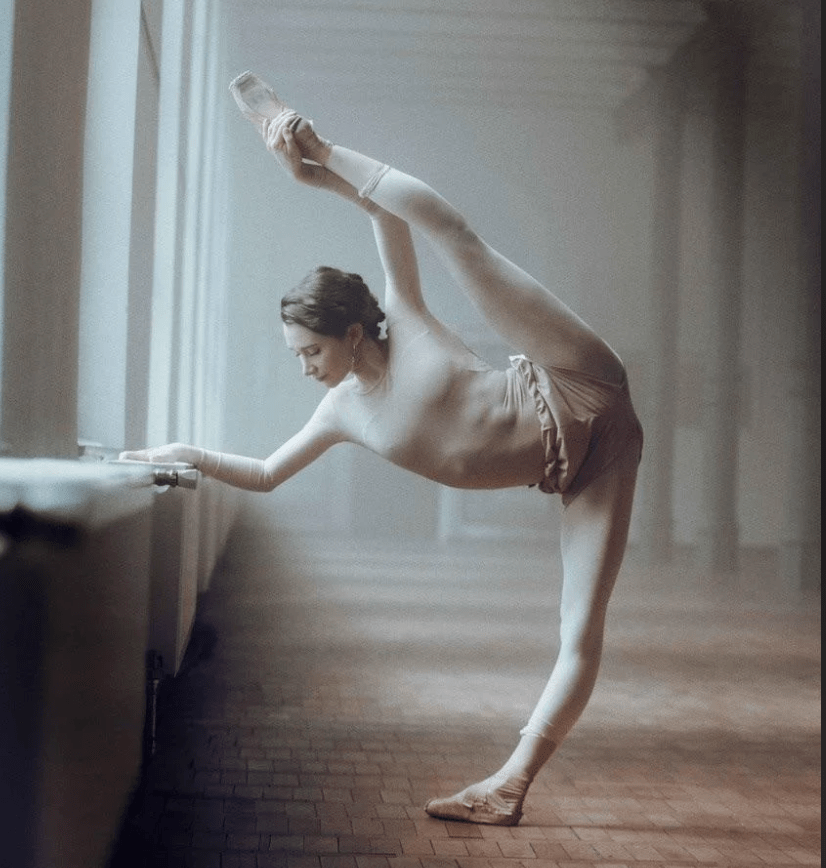
If you’ve ever watched a ballet dancer effortlessly extend into an arabesque or rise into a flawless relevé, you’ve likely witnessed hypermobility in action. Joint hypermobility, the ability to move joints beyond the normal range of motion, is remarkably common among ballet dancers. But what looks like a gift on stage can sometimes come with hidden costs behind the scenes.

Just How Common Is Hypermobility in Ballet Dancers?

The numbers are striking. A study from the Royal Ballet School and Royal Ballet Company in London found that ballet dancers were 11 times more likely to be hypermobile compared to non-dancer controls. Among Brazilian ballet students and teachers, around 58% met criteria for joint hypermobility! To put this in perspective, hypermobility in the general population is estimated at roughly 10–20%.

And it may go even deeper than training. A fascinating genetic study of 51 professional ballet dancers found that 88% carried at least one variant in genes associated with connective tissue disorders: conditions that include hypermobility as a feature. This suggests that the extraordinary range of motion seen in elite ballet dancers may be partly written into their DNA.

The Paradox: Talent and Vulnerability

Here’s where it gets complicated. Hypermobility can be a tremendous asset in ballet, as it allows for the beautiful lines, extreme extensions, and fluid movement that audiences, choreographers, and artistic directors want to see. Many young dancers with generalized joint hypermobility are naturally drawn to ballet because their bodies seem made for it.

But hypermobility is not just about flexibility. It can come with:

  • Reduced muscle strength: Hypermobile ballet dancers have been shown to have weaker knee extensors and flexors compared to their non-hypermobile peers.
  • Impaired proprioception: The ability to sense where your body is in space can be diminished, making balance and control more challenging, especially during pointe work.
  • Increased pain: Patellofemoral (kneecap) pain is especially common. In one study of young dancers with both hypermobility and scoliosis, over 90% experienced knee pain.
  • Greater fatigue and psychological distress: Professional ballet dancers with hypermobility report significantly more fatigue, anxiety, and depressive symptoms than those without it.

Is hypermobility one of ballet’s greatest advantages or one of its greatest challenges? In many cases, it’s both.

The “Survivor Effect” in Professional Ballet

One of the most intriguing findings comes from a study by McCormack and colleagues of student and professional Royal Ballet dancers. While hypermobility was extremely common at all levels, the prevalence of joint hypermobility syndrome (hypermobility plus symptoms like pain and instability) actually declined from student dancers to professionals, and further declined from corps de ballet to principal dancers.

This suggests a kind of natural selection within the profession: ballet dancers whose hypermobility causes the most problems may be less likely to sustain performing careers over time. Supporting this idea, a Brazilian study found that ballet teachers were approximately three times more likely to have joint hypermobility syndrome than students, perhaps reflecting a shift from performance to teaching among those with more symptomatic hypermobility.

The Feet: A Ballet Dancer’s Foundation

Ballet places extraordinary demands on the feet and ankles, from demi-pointe, full pointe work, jumps and landings. For hypermobile dancers, these demands can be even more challenging. Loose ligaments in the feet and ankles can lead to:

  • Ankle instability and recurrent sprains
  • Metatarsal stress injuries
  • Flexor hallucis longus tendinopathy (“dancer’s tendonitis”)
  • Achilles tendon problems
  • Difficulty controlling turnout from the feet, leading to compensatory strain up the kinetic chain

If you are experiencing chronic foot or ankle pain, recurring sprains, or difficulty with pointe work, seek out a podiatrist! Ideally one experienced in treating performing artists and athletes. A podiatrist can assess your foot mechanics, identify hypermobility-related conditions, determine which conservative treatments – including physical therapy, activity modification, bracing, or custom orthotics – may be appropriate, recommend imaging when indicated, and evaluate whether surgical intervention should be considered if conservative care fails.

Practical Tips for Hypermobile Dancers

Hypermobility doesn’t have to end a dance career, but it does require a different approach to training. For dancers with hypermobile joints, the goal isn’t to gain more flexibility – it’s to improve stability and control.

  • Prioritize strength over flexibility. If you’re already hypermobile, additional stretching is unlikely to improve performance. Instead, focus on strengthening the intrinsic muscles of the foot, ankle stabilizers, calves, and lower extremities to provide dynamic support for your joints.
  • Train control, not just balance. Ballet class challenges balance, but supplemental neuromuscular training can further improve joint stability. Exercises such as short foot exercises, single-leg balance progressions, wobble board training, and landing drills help improve joint position sense and dynamic control.
  • Don’t ignore recurring injuries. Repeated ankle sprains, persistent tendon pain, or difficulty with pointe work are not simply “part of ballet.” Early evaluation and treatment can prevent chronic problems and keep you dancing longer.
  • Recovery matters. Adequate sleep, nutrition, and gradual progression of training loads are essential to help tissues recover from the repetitive demands of dance.

Considerations for Healthcare Providers

When caring for ballet dancers with hypermobility, treatment should extend beyond the immediate injury.

  • Screen for generalized joint hypermobility. Tools such as the Beighton score can help identify underlying hypermobility that may influence injury patterns and rehabilitation strategies.
  • Consider associated conditions. While not every hypermobile dancer has systemic symptoms, generalized joint hypermobility can be associated with conditions such as dysautonomia (including POTS), gastrointestinal disorders, mast cell activation disorders, migraines, chronic fatigue, and anxiety. Persistent symptoms outside the musculoskeletal system may warrant further evaluation or referral.
  • Emphasize stability-based rehabilitation. Rehabilitation should prioritize neuromuscular control, proprioception, and progressive strengthening rather than increasing flexibility.
  • Use a multidisciplinary approach when appropriate. Collaboration between podiatrists, physical therapists, athletic trainers, dance teachers, and primary care providers can help optimize both performance and long-term musculoskeletal health.

The Bottom Line

Hypermobility and ballet have a complicated relationship. The same loose connective tissue that allows for breathtaking artistry can also lead to pain, fatigue, and functional challenges. Understanding this connection and taking proactive steps to support hypermobile bodies can help ballet dancers enjoy longer, healthier careers.

If you’re a ballet dancer experiencing chronic joint pain, unusual fatigue, foot or ankle problems, or frequent soft-tissue injuries, consider talking to a healthcare provider who understands hypermobility. For foot and ankle concerns specifically, a podiatrist with experience caring for dancers can help optimize foot mechanics, guide treatment, and safely return you to dancing. It’s not about limiting what your body can do, it’s about giving it the support it needs to keep doing it.

References

  1. McCormack M, Briggs J, Hakim A, Grahame R. Joint Laxity and the Benign Joint Hypermobility Syndrome in Student and Professional Ballet Dancers. The Journal of Rheumatology. 2004;31(1):173-8.
  2. Sanches SB, Oliveira GM, Osório FL, et al. Hypermobility and Joint Hypermobility Syndrome in Brazilian Students and Teachers of Ballet Dance. Rheumatology International. 2015;35(4):741-7.
  3. Vera AM, Peterson LE, Dong D, et al. High Prevalence of Connective Tissue Gene Variants in Professional Ballet. The American Journal of Sports Medicine. 2020;48(1):222-228.
  4. Steinberg N, Tenenbaum S, Zeev A, et al. Generalized Joint Hypermobility, Scoliosis, Patellofemoral Pain, and Physical Abilities in Young Dancers. BMC Musculoskeletal Disorders. 2021;22(1):161.
  5. Scheper MC, de Vries JE, de Vos R, et al. Generalized Joint Hypermobility in Professional Dancers: A Sign of Talent or Vulnerability? Rheumatology. 2013;52(4):651-8.
  6. van Rijn RM, Stubbe JH. Generalized Joint Hypermobility and Injuries: A Prospective Cohort Study of 185 Pre-Professional Contemporary Dancers. Journal of Clinical Medicine. 2021;10(5):1007.
  7. Simmonds JV. Masterclass: Hypermobility and Hypermobility Related Disorders. Musculoskeletal Science & Practice. 2022;57:102465.
  8. Minhas D. Practical Management Strategies for Benign Hypermobility Syndromes. Current Opinion in Rheumatology. 2021;33(3):249-254.