Dancers hear it all the time: “Point your feet,” “lift your arch,” “don’t sickle.” These cues stick in your head, but rarely do we stop to think, what’s actually happening in your foot and ankle when you move?
Your foot is more than just an arch! It’s a complex system of bones, joints, and muscles working together. Every movement, from a simple tendu to a jump or relevé, involves coordination across multiple areas: your heel, arch, toes, and the supporting muscles around your ankle and foot.
The goal of this post isn’t to turn you into an anatomy expert, it’s to bring awareness to how much is actually working as you dance, and help you start noticing areas that might need more strength or control.
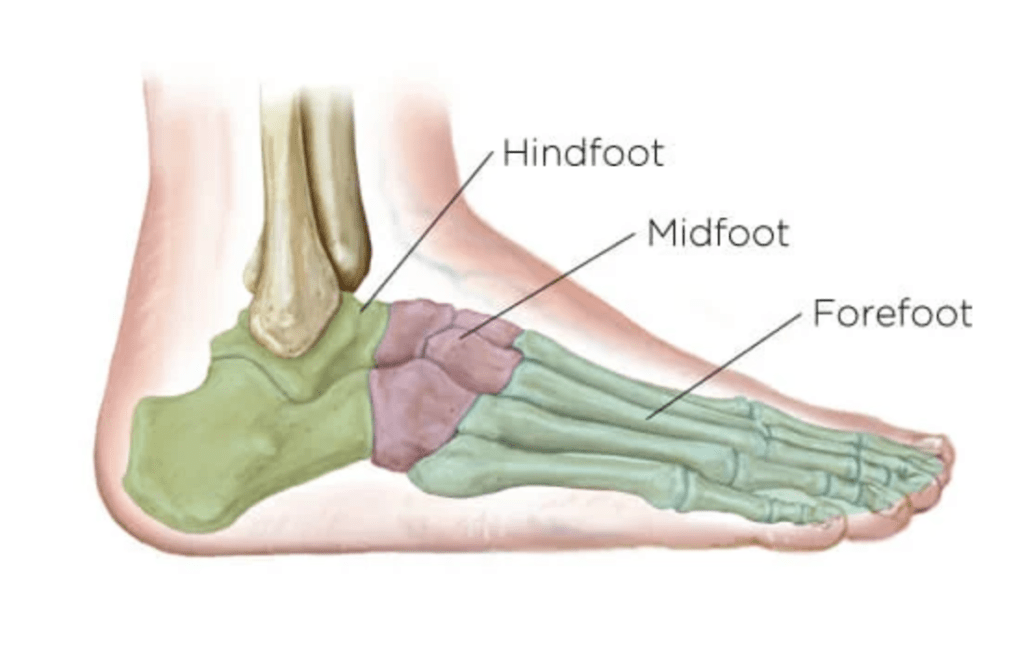
Think of your foot in three parts:
Hindfoot (the heel): stability and landing from jumps
Midfoot (the arch): shock absorption and line
Forefoot (the toes): push-off, balance, and articulation
They all need to work together, high arches alone don’t make perfect technique. It’s about how your foot moves and supports you.
Mobility vs. Stability
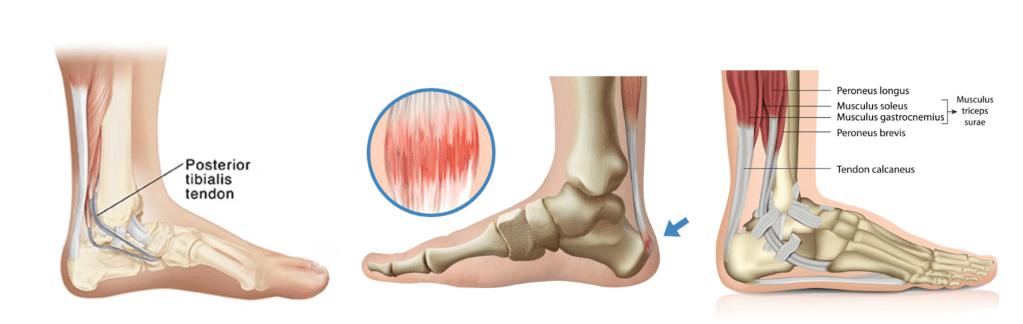
Some dancers are naturally hypermobile, the beautiful lines come easily, but joint stability can be tricky. Others have less range but strong control. Either way, the challenge is to notice where your movement comes from: are your muscles actively supporting the joints, or are you relying solely on flexibility?
This post is just the start. Future posts will dive deeper into common concerns, exercises, and strategies to address specific hyper mobility weaknesses, so you can train smarter and stay injury-free.
Bring Awareness Into Class
As you move through class, take a moment to notice:
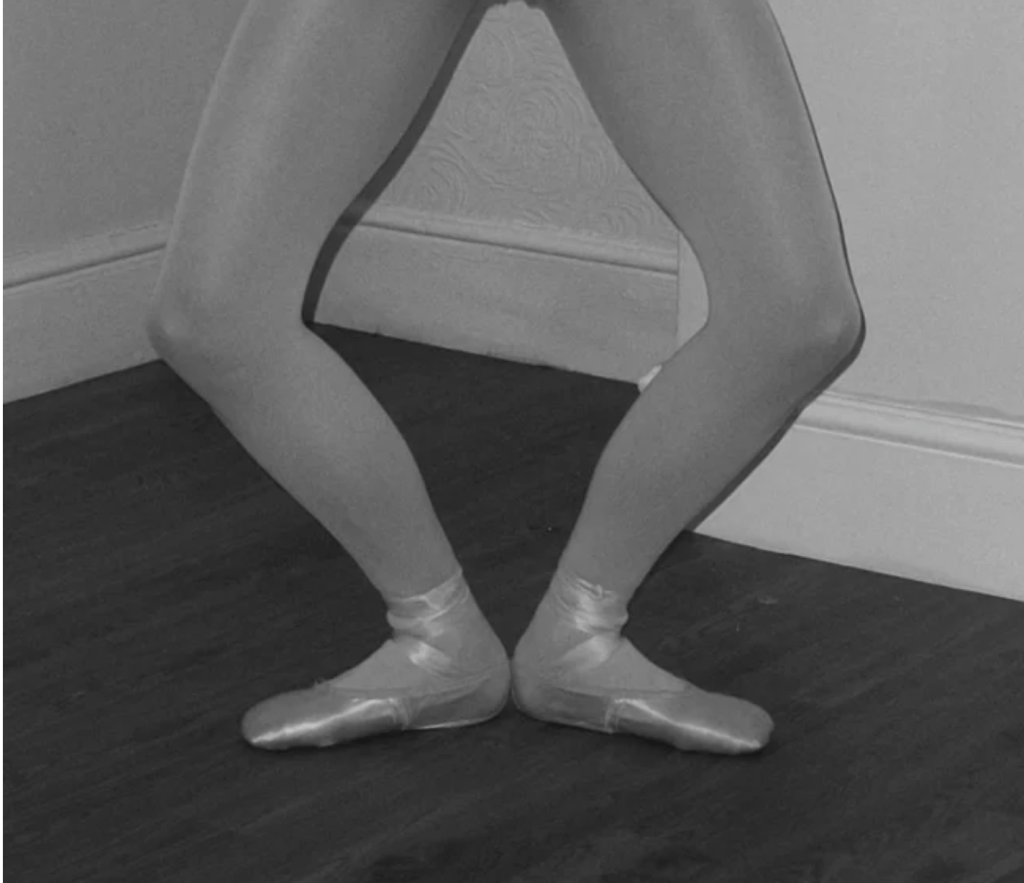
Do your arches hold their shape in plié, or do they collapse?
Do your toes grip the floor when balancing?
Do your ankles feel stable in relevé, or do they wobble?
Can you feel your peroneals and other supporting muscles engaging to control movement?
Next Steps
Bring curiosity to every class. Watch your feet, feel the difference, and move with intention. This is the first step toward understanding your body, spotting potential deficits, and preparing for future posts and lessons that will address specific weaknesses and strategies to improve them.
 On Pointe Podiatry